

Tracing the historical evolution of gambling From ancient rituals to modern casinos
The Origins of Gambling
The roots of gambling can be traced back to ancient civilizations, where games of chance were often intertwined with religious and social rituals. The earliest evidence of gambling dates back to 3000 BC in China, where tiles were discovered that resembled rudimentary games of chance. These games served as tools for divination and were used in rituals, highlighting the significance of luck and fate in early human society. Today, many enthusiasts turn to the aviator app download as a way to engage in games that emphasize skill and strategy.

Similarly, in ancient Mesopotamia, dice made from animal bones were found, indicating the popularity of games that involved chance. These early forms of gambling were not merely for entertainment; they were deeply ingrained in the culture and spirituality of the time, reflecting a desire to understand and manipulate the forces of destiny.
The Evolution Through the Ages
As civilizations advanced, so did the methods and venues for gambling. In ancient Rome, public gambling became a form of entertainment during festivities. The Romans popularized various games, including betting on chariot races and gladiator contests. The state even regulated these activities, imposing taxes and establishing laws to govern gambling practices, which laid the groundwork for modern regulatory frameworks.
During the Middle Ages, gambling saw a decline in popularity due to religious opposition. However, the Renaissance brought about a resurgence in gambling activities, with the development of new games like cards and the establishment of gambling houses. This period marked a transition from informal betting to more organized forms of gambling, setting the stage for the casinos that would emerge in later centuries.
The Birth of Modern Casinos
The 17th century marked a pivotal moment in the evolution of gambling, with the establishment of the first official casino in Venice, Italy, known as the Ridotto. This venue offered a controlled environment for games, attracting aristocrats and common folk alike. It was a significant shift from previously informal gambling settings, signifying the formal recognition of gambling as a legitimate form of entertainment.
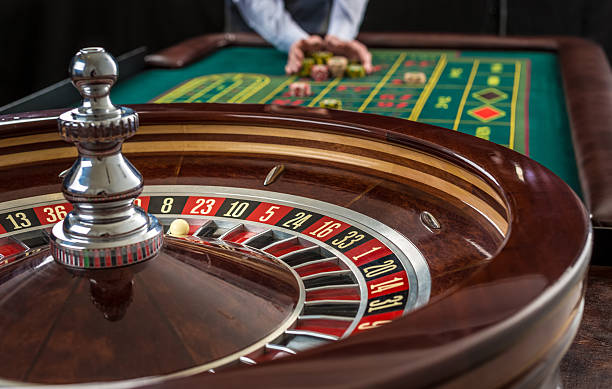
As the casino model spread throughout Europe, establishments began to adopt more sophisticated gaming options, including roulette and blackjack. The 19th century saw the rise of gambling hotspots, such as Monte Carlo, which epitomized luxury and glamour, further solidifying the casino’s role in popular culture and society.
The Digital Transformation of Gambling
With the advent of technology in the late 20th century, gambling underwent another major transformation. Online casinos emerged, allowing players to engage in gambling from the comfort of their homes. This digital shift not only expanded accessibility but also introduced new forms of games and betting, such as sports betting and live dealer games, appealing to a broader audience.
Today, mobile applications have revolutionized the gambling landscape even further. Games like the Aviator app exemplify this trend, offering skill-based gameplay that emphasizes strategy over luck. These innovations have changed the gambling experience, making it more interactive and accessible for players of all skill levels. Responsible gaming practices are more important than ever in this evolving landscape.
Responsible Gambling and the Future
As gambling continues to evolve, so does the importance of responsible gaming practices. With increasing access to online gambling platforms, it is crucial for players to understand the risks associated with gambling and to approach it with caution. Many casinos and gaming platforms promote responsible gambling by providing resources, limits, and self-exclusion options to ensure players maintain control over their gaming habits.
Looking ahead, the future of gambling is likely to involve further technological advancements, including virtual reality experiences and enhanced mobile gaming applications. As the industry adapts to new trends, the focus on responsible gambling will remain paramount, ensuring that the excitement of gaming can be enjoyed safely and sustainably.